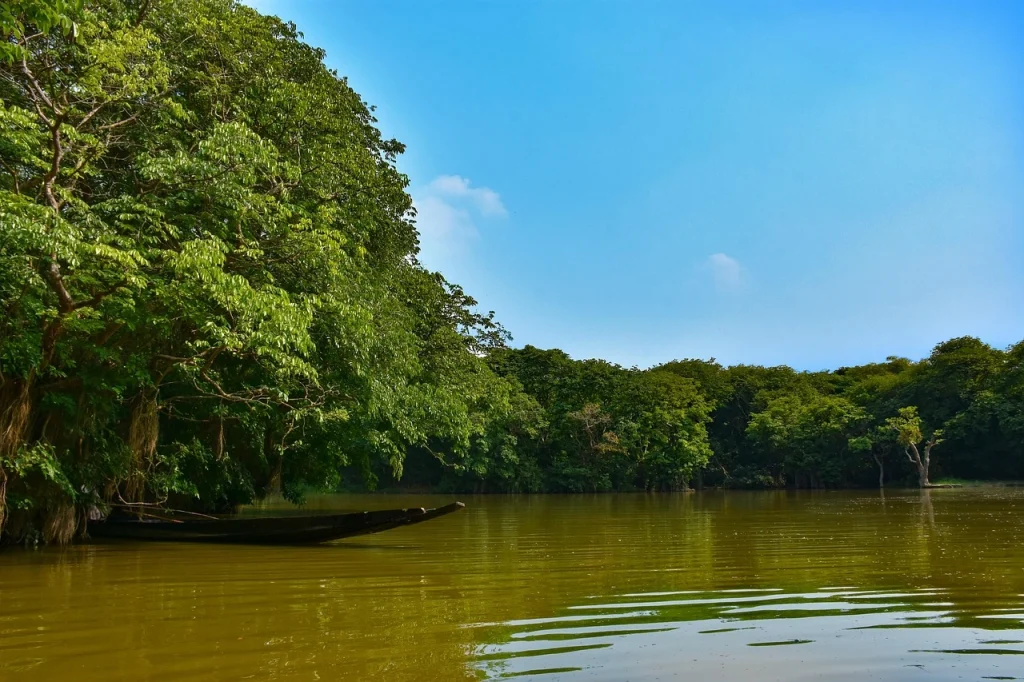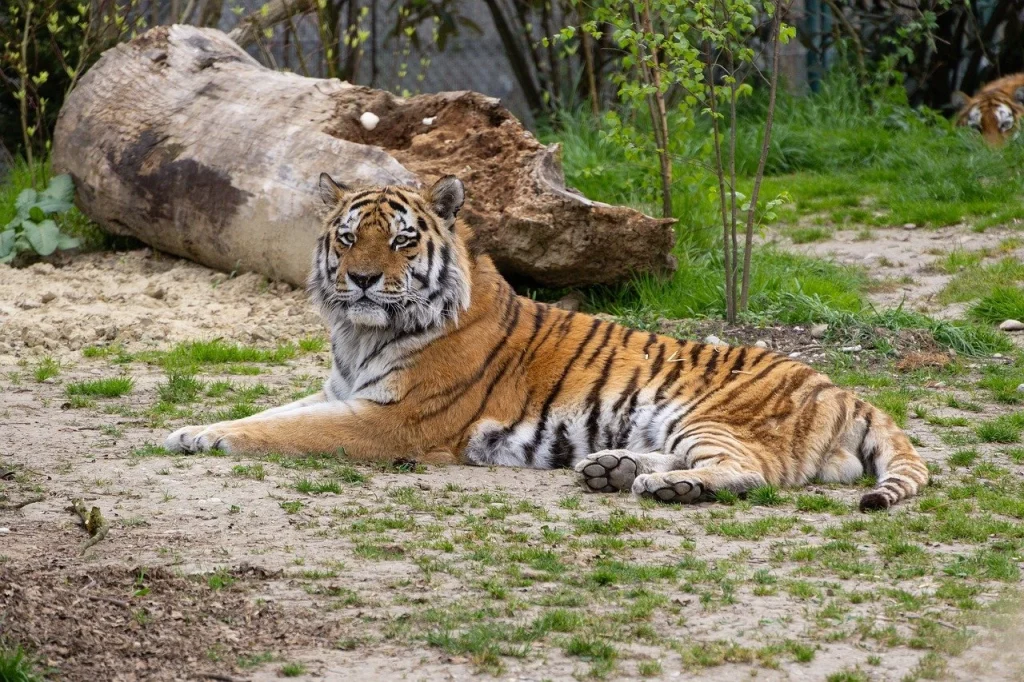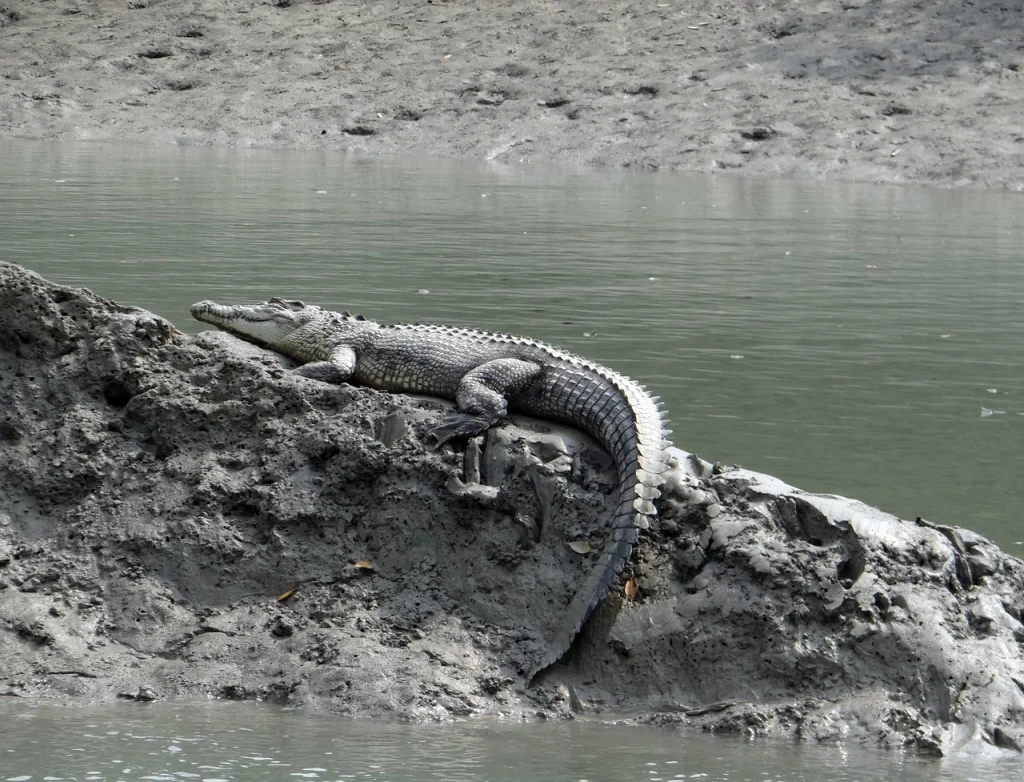
Through protection, research, and the engagement of local communities, the Sundarbans plays a pivotal, albeit often behind-the-scenes, role in wildlife conservation. Recognized as a UNESCO World Heritage Site, vast tracts of this ecosystem are designated as protected areas, where human activities are strictly regulated to safeguard endangered species such as the Royal Bengal Tiger, estuarine crocodiles, and river dolphins. Forest officials and conservation teams conduct regular patrols, camera-trap monitoring, and scientific research to monitor the population size and health of the wildlife. Mangrove restoration projects reinforce natural barriers and provide essential breeding grounds for fish, birds, and mammals. The participation of local communities is equally vital; they receive training in sustainable livelihoods, eco-tourism, and wildlife awareness to reduce their reliance on forest resources. Rescue and rehabilitation initiatives provide aid to injured or displaced animals, while educational programs foster awareness among visitors. Collectively, these integrated efforts silently safeguard biodiversity, maintain ecological balance, and ensure that the Sundarbans endures as a thriving sanctuary for future generations.